
Imagine you’re driving down a busy Austin street when suddenly, an accident happens. Who will cover the costs?
Will you be protected if you’re hurt or if the other driver doesn’t have insurance? These questions might feel overwhelming, but understanding accident coverage for drivers is crucial to avoid financial stress and get the help you need when things go wrong.
You’ll discover exactly what accident coverage means, why it matters for you, and how to make sure you’re fully protected on Texas roads. Keep reading—your peace of mind depends on it.
Types Of Accident Coverage
Liability coverage pays for damage if you cause an accident. It covers other people’s injuries and property damage. This is usually required by law.
Uninsured and underinsured motorist coverage protects you if the other driver has no insurance or not enough insurance. It helps pay for your medical bills and car repairs.
Personal accident coverage gives money if you get hurt in a car accident. It can help with hospital bills and lost wages. This coverage is optional but useful.
Medical payments coverage pays for medical costs after an accident. It covers you, passengers, and sometimes family members. It works even if you are at fault.

Texas Car Insurance Requirements
Texas drivers must carry minimum liability insurance to cover injury or damage costs. The state requires at least $30,000 for bodily injury per person, $60,000 per accident, and $25,000 for property damage. This helps pay for others’ losses if you cause an accident.
Proof of financial responsibility means showing you can pay accident costs. Most drivers provide this by carrying auto insurance and carrying an insurance card. Texas law requires you to present this proof during traffic stops or after accidents.
Each state has specific rules. Texas also requires drivers to have uninsured/underinsured motorist coverage to protect against drivers without enough insurance. These rules help keep all drivers financially responsible and protect everyone on the road.
Benefits Of Accident Coverage
Accident coverage helps pay for medical bills after a crash. It can cover hospital stays, doctor visits, and medicines. This reduces the money you need to pay out of pocket.
This coverage also protects your income if you cannot work. It gives money for lost wages while you recover. This support helps you pay bills and keep your home.
Having accident coverage brings peace of mind to drivers and families. Knowing you are financially protected lowers stress. It allows you to focus on healing instead of money worries.

Accident Coverage For Non-primary Drivers
Permitted drivers are often covered under the main driver’s policy. This coverage protects those who have permission to drive the car. But coverage can vary depending on the insurance company and policy terms. Always check if a permitted driver is listed or allowed.
Family members usually get coverage under the primary driver’s policy. This includes spouses, children, and sometimes other relatives living in the same home. Their use of the car is generally protected without needing extra insurance. Yet, some insurers require adding family members explicitly.
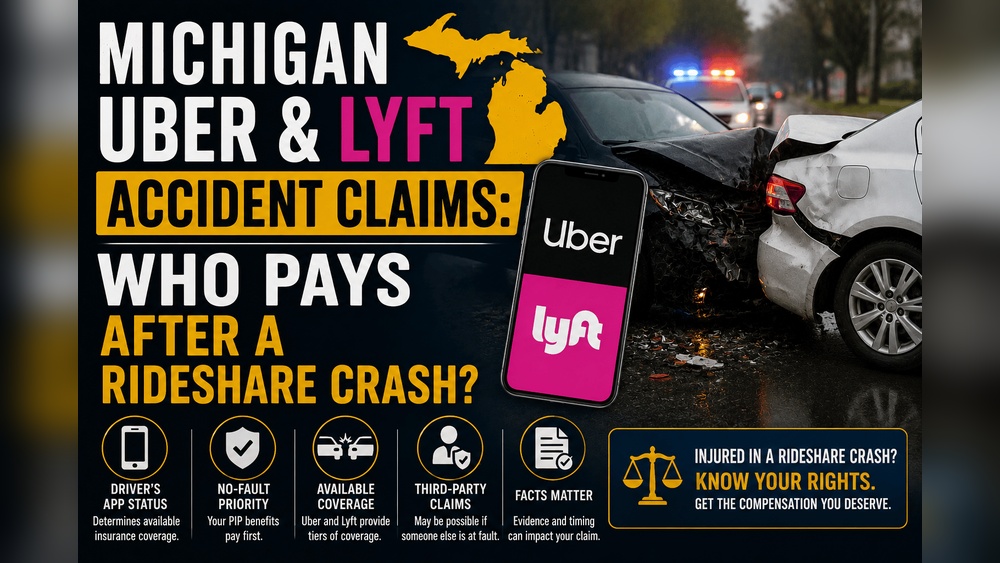
Rideshare drivers need special insurance. Standard policies often exclude coverage for rideshare activities. They must get rideshare insurance or a commercial policy. This protects them during trips and while waiting for passengers. Without it, drivers risk being uninsured in accidents.
How To Choose The Right Coverage
Personal risk factors shape the best accident coverage choice. Age, driving history, and location matter. Young or new drivers might need higher coverage. Living in busy cities can increase accident chances. Health and financial status also influence needs. Those with savings may opt for basic plans, while others choose more protection.
Comparing coverage options includes limits, deductibles, and premiums. Higher limits offer better protection but cost more. Deductibles are the amount paid before insurance helps. Lower deductibles mean higher premiums. Check what each policy covers and excludes. Balance cost and coverage for your budget.
Additional riders or endorsements add extra features. Common riders include roadside assistance or rental car coverage. They increase protection but add to the price. Decide if these extras match your driving habits and needs. Choose only what fits your lifestyle and budget.
Filing Claims After An Accident
Right after a crash, check for injuries and call emergency services. Take photos of the accident scene and exchange contact info with the other driver. Report the accident to your insurance company as soon as possible. Provide clear and honest details about what happened.
If the insurance company disputes your claim, stay calm and gather more evidence like witness statements or police reports. Keep all documents organized and follow up regularly. If your claim is denied, ask for a clear explanation and consider appealing the decision.
Common Misconceptions About Accident Coverage
Many people think health insurance covers all injuries after a car accident. It usually does not pay for all costs. Some treatments or therapies might not be included. This can leave you with large bills to pay.
Some drivers believe liability insurance covers their personal injuries. Liability only pays for damages to others if you cause an accident. It does not cover your medical expenses or lost wages.
Many skip personal accident coverage, thinking it’s not needed. This coverage helps with medical bills and income loss if you get hurt. It can give extra protection beyond health or liability insurance.

Tips To Lower Insurance Premiums
Maintaining a clean driving record helps keep insurance costs low. Avoid tickets and accidents to stay risk-free. Insurance companies reward drivers who show safe habits.
Bundling policies means buying more than one insurance plan from the same company. This can include car, home, or life insurance. Bundling often leads to discounts and saves money.
Taking defensive driving courses teaches skills to avoid accidents. Many insurers offer lower premiums after completing such courses. It shows you are a careful and responsible driver.
Frequently Asked Questions
Is My Girlfriend Covered If She Drives My Car?
Your girlfriend is usually covered by your auto insurance if she drives your car with your permission. Coverage depends on your policy terms and state laws. Confirm with your insurer to ensure she is protected during driving.
Is It Worth Getting Accident Coverage?
Accident coverage helps cover medical and repair costs after a crash. It provides financial protection and peace of mind.
Is It Better To Have A $500 Deductible Or $1000?
A $500 deductible means higher premiums but lower out-of-pocket costs after a claim. A $1000 deductible lowers premiums but increases expenses during claims. Choose based on your budget and risk tolerance.
Is It Worth Getting Personal Accident Cover On Car Insurance?
Personal accident cover on car insurance offers financial protection for injuries or death from accidents. It adds peace of mind but increases premiums. Consider your health coverage and budget before adding it.
Conclusion
Accident coverage protects drivers from unexpected costs after a crash. It helps pay medical bills and repair expenses. Choosing the right coverage keeps you financially safe. Understanding your policy limits avoids surprises later. Always review your insurance to match your needs.
Stay informed, stay protected on the road.
Read More
- Dui Lawyer Free Consultation: Expert Help Without Cost Today
- Convicted Driver Insurance Coverage: Essential Tips for Affordable Protection
- Cheap Driver Insurance Online: Save Big with Top Deals Today
- Driver Insurance Quote Comparison: Find the Best Rates Fast
- Traffic Ticket Attorney Cost: What You Need to Know Now
- Reckless Driving Lawyer near Me: Expert Help to Win Your Case
- License Suspension Legal Help: Expert Tips to Regain Your Drive
- Young Driver Insurance Rates: How to Slash Your Premiums Fast
- High Risk Driver Insurance Quotes: Save Big with Expert Tips
- Auto Refinance Quote Calculator: Save Big with Easy Savings Today