

If you’re a delivery driver, you know how important it is to stay protected while on the road. But do you really understand the insurance options available to you?
Choosing the right coverage isn’t just about following the law—it’s about safeguarding your income, your vehicle, and your peace of mind. You’ll discover the key delivery driver coverage options that can keep you secure no matter what surprises come your way.
Keep reading to find out exactly what you need and how to get the best protection for your unique situation.
Types Of Delivery Driver Insurance
Personal auto insurance often does not cover delivery driving. Most policies exclude accidents happening during deliveries. This leaves drivers at risk for financial loss if a crash occurs while working.
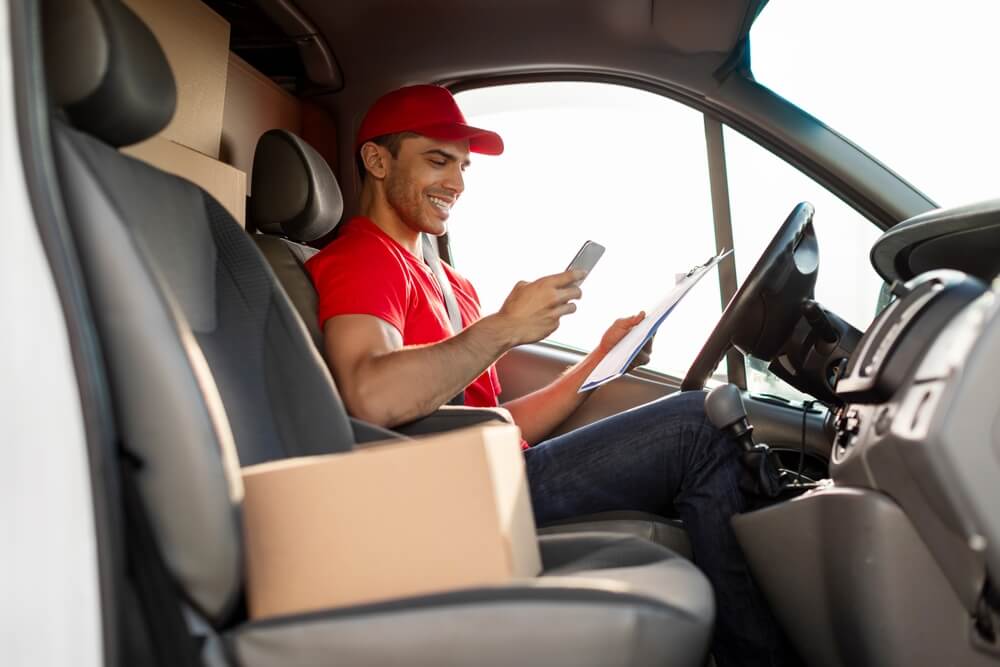
Commercial auto insurance protects vehicles used for business purposes. It covers accidents, damage, and liability during deliveries. This type is essential for drivers who use their car mainly for work.
Rideshare and hybrid insurance combines personal and commercial coverage. It suits drivers who do both ridesharing and deliveries. This insurance fills the gaps left by personal policies.
Courier and food delivery coverage is tailored for fast deliveries. It covers frequent stops and handling of goods. This coverage helps drivers avoid problems from their unique risks.
Key Coverage Options
Liability insurance protects against damages you cause to others. It covers injury and property damage costs if you are at fault. This is often required by law for delivery drivers.
Collision coverage pays to fix your vehicle after a crash. Comprehensive coverage handles damages from theft, fire, or weather. Both protect your car beyond regular accidents.
Uninsured motorist protection helps if another driver without insurance hits you. It covers your medical bills and car repairs in those cases.
Personal injury protection covers your medical costs, lost wages, and other expenses after an accident. It applies no matter who caused the crash.
Special Endorsements And Add-ons
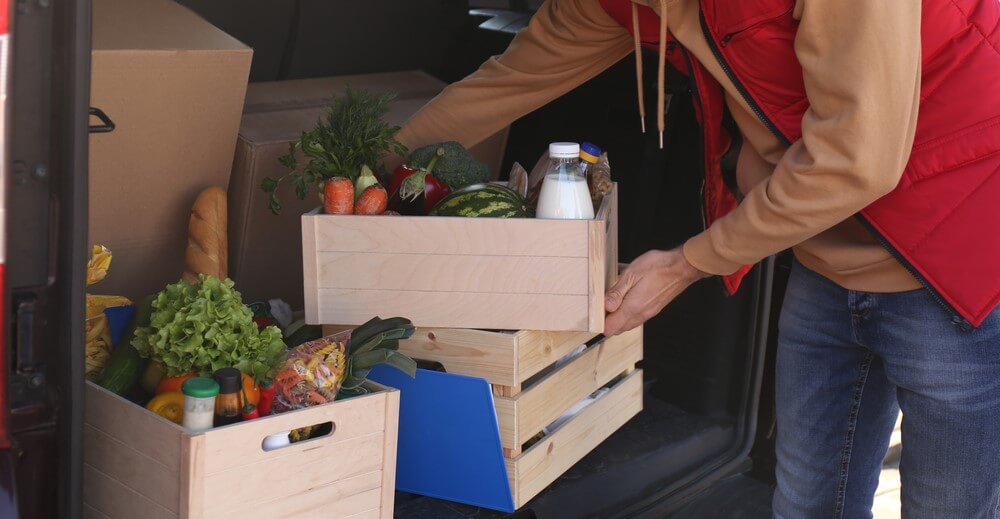
Rideshare endorsements protect drivers who work for companies like Uber or Lyft. These add-ons cover rideshare duties, filling gaps in regular insurance policies. Cargo insurance safeguards the goods carried during deliveries. It helps pay for damaged or stolen items. Roadside assistance offers help if a vehicle breaks down. Services include towing, battery jump-starts, and tire changes. Rental reimbursement covers the cost of renting a car if the delivery vehicle is being repaired after an accident. These special endorsements and add-ons provide extra protection and peace of mind for delivery drivers.
Factors Affecting Insurance Costs
Vehicle type and how often it is used affect insurance costs. Small cars usually cost less to insure than big trucks. Using the vehicle more for deliveries raises the price.
Driving record and experience play a big role. Drivers with few or no accidents get lower rates. New drivers or those with tickets pay more.
Coverage limits and deductibles matter too. Higher coverage limits mean higher premiums. Choosing a higher deductible can lower the cost but means more out-of-pocket if there is a claim.
Location and delivery area influence prices. Busy cities with more traffic and theft risks raise insurance costs. Rural areas usually have lower rates.
Choosing The Right Insurance Plan
Assessing delivery risks involves knowing common hazards like accidents and theft. Delivery drivers face higher risks than regular drivers. Vehicles often carry valuable goods, increasing liability. Insurance must cover damage to the vehicle, goods, and third parties.
Comparing provider options helps find the best coverage and price. Look at what each plan covers and what it excludes. Some providers offer special plans for delivery drivers. Check customer reviews and claim process speed.
Bundling and discounts can lower insurance costs. Combining car insurance with home or health insurance often saves money. Some companies offer discounts for safe driving or low mileage. Ask about seasonal or loyalty discounts.
Policy customization lets drivers choose coverage limits and add-ons. Options include roadside assistance, rental reimbursement, and liability protection. Tailor the policy to fit your specific delivery needs and budget. A well-customized plan saves money and provides peace of mind.
Claims Process For Delivery Drivers
Report the accident quickly to your insurance company. Provide clear details about what happened. Take photos of the scene and any damages. Gather contact info of all involved parties and witnesses.
Keep copies of police reports, medical records, and repair bills. These documents help prove your claim. Also, save any communication with your insurance company and adjusters.
Adjusters will assess the damage to your vehicle and others involved. Be honest and answer their questions carefully. They decide how much the insurance will pay.
If liability is unclear, your insurance may investigate who is at fault. Liability means who caused the accident. Providing accurate information helps solve these issues faster.
Frequently Asked Questions
What Kind Of Insurance Does A Delivery Driver Need?
Delivery drivers need commercial auto insurance or a rideshare endorsement to cover accidents and liabilities. Personal insurance often excludes delivery use.
What Are The 4 Types Of Insurance Coverage?
The four types of insurance coverage are liability, collision, comprehensive, and personal injury protection. Each covers different risks and damages.
Is My Girlfriend Covered If She Drives My Car?
Your girlfriend may be covered if listed on your policy or with your insurer’s permission. Check your insurance terms.
How Much Is Insurance For A Delivery Driver?
Insurance for delivery drivers typically costs between $1,200 and $2,500 annually, depending on coverage and location. Commercial auto insurance or rideshare endorsements offer proper protection. Rates vary based on driving record, vehicle type, and delivery frequency.
Conclusion
Choosing the right coverage keeps you safe on the road. Delivery drivers face unique risks that standard insurance may not cover. Consider commercial auto insurance or a rideshare endorsement for full protection. Always compare options and understand what each policy offers.
Proper coverage helps avoid costly surprises after an accident. Stay informed, stay protected, and drive with confidence every day.
Read More
- Dui Lawyer Free Consultation: Expert Help Without Cost Today
- Convicted Driver Insurance Coverage: Essential Tips for Affordable Protection
- Cheap Driver Insurance Online: Save Big with Top Deals Today
- Driver Insurance Quote Comparison: Find the Best Rates Fast
- Traffic Ticket Attorney Cost: What You Need to Know Now
- Reckless Driving Lawyer near Me: Expert Help to Win Your Case
- License Suspension Legal Help: Expert Tips to Regain Your Drive
- Young Driver Insurance Rates: How to Slash Your Premiums Fast
- High Risk Driver Insurance Quotes: Save Big with Expert Tips
- Auto Refinance Quote Calculator: Save Big with Easy Savings Today