
If you’ve been convicted of a driving offense, you know how tough it can be to find the right car insurance. You might worry about higher premiums, limited coverage options, or even being denied insurance altogether.
But here’s the good news: convicted driver insurance coverage exists to help you get back on the road with protection tailored to your situation. You’ll discover what convicted driver insurance really means, why it matters for you, and how to find affordable coverage—even with a conviction on your record.
Keep reading to take control of your insurance and drive with confidence again.
Convicted Driver Insurance Basics
Convicted driver insurance is for people with driving offenses on record. It helps those with dui, suspended licenses, or points on their license get car insurance.
Common convictions that affect coverage include drunk driving, reckless driving, and driving without a license. These make insurers see drivers as higher risk.
Insurance premiums rise after convictions. This happens because insurers expect more accidents from convicted drivers. The increase can last for several years.
| Common Convictions | Effect on Insurance |
|---|---|
| Driving Under Influence (DUI) | Higher premiums, possible coverage limits |
| Speeding Tickets | Moderate premium increase |
| Driving Without License | Harder to find coverage, higher costs |
| Reckless Driving | Significant premium increase |
Types Of Convictions And Impact
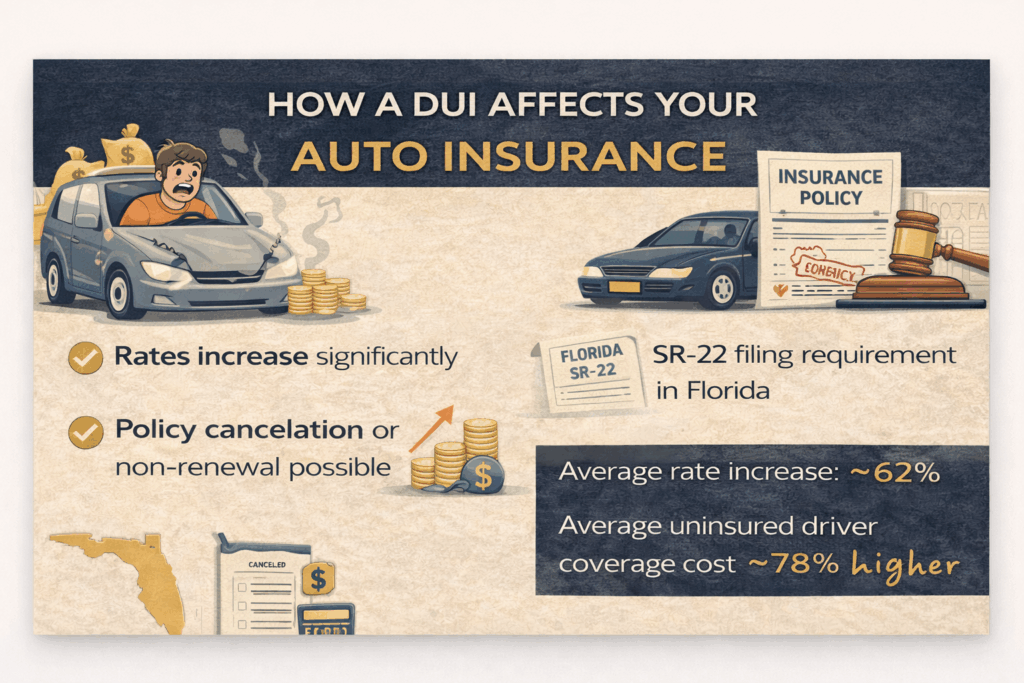
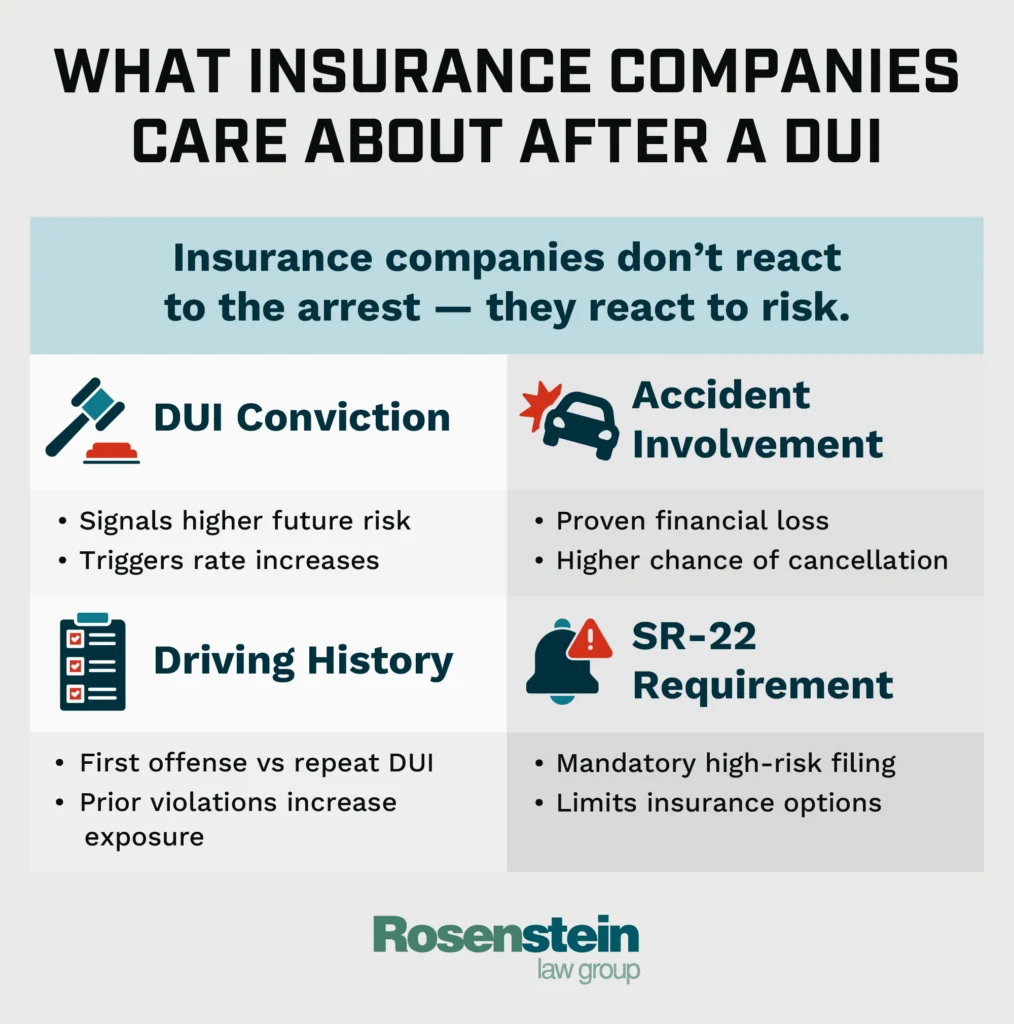
DUI convictions cause major insurance problems. Insurers see DUI drivers as very risky. This usually means higher premiums or even denial of coverage. Some companies may refuse to insure drivers for several years after a DUI.
Driving with points or suspensions also raises insurance costs. Points add up and show risky behavior. Suspended licenses often lead to policy cancellations. Finding affordable insurance becomes difficult.
Felons face unique challenges too. Insurance companies check the nature of the felony. Driving-related felonies like hit-and-run or vehicular manslaughter increase rates significantly. Non-driving felonies may not affect insurance as much but still can cause higher costs.
| Conviction Type | Insurance Impact |
|---|---|
| DUI | Very high premiums, possible denial |
| Points on License | Higher rates, risk of cancellation |
| Suspended License | Policy cancellation, hard to insure |
| Felony (Driving-related) | Very high premiums, limited options |
| Felony (Non-driving) | Increased costs, but less impact |
Finding Affordable Coverage
Specialized insurers focus on drivers with convictions. They offer policies designed for high-risk drivers who struggle to find coverage elsewhere. These insurers understand the challenges and often provide more affordable premiums than standard companies.
Comparing quotes is key. Getting multiple quotes helps find the best price and coverage. Look closely at policy details and coverage limits. Cheaper does not always mean better.
| Option | Description | Pros | Cons |
|---|---|---|---|
| Specialized Insurers | Companies focusing on high-risk drivers | Better acceptance, tailored plans | Higher premiums than normal insurance |
| Comparing Quotes | Requesting prices from many insurers | Find lower costs, better deals | Time-consuming process |
| State-Assigned Risk Pools | State programs for drivers unable to get insurance | Guaranteed coverage | Usually the most expensive option |
State-assigned risk pools provide coverage when others decline. Though costly, they ensure legal driving with insurance. This option suits those with serious convictions or no other choices.
Reducing Insurance Costs
Improving your driving record can help lower insurance costs after a conviction. Avoiding new tickets and accidents shows insurers you drive safely. Insurance companies often check your record to set rates.
Taking defensive driving courses proves you want to drive carefully. These courses teach safe habits and can sometimes reduce your insurance premium. Check if your insurer offers discounts for completing such courses.
Choosing the right coverage levels is key. Opt for minimum required coverage if you want lower payments. Adding extras like collision or comprehensive coverage increases costs but offers more protection.
Maintaining Coverage After Conviction
Insurance companies may cancel policies after a driving conviction. Pay premiums on time to help avoid cancellation. Keep your insurer informed about any changes in your driving record. Not reporting convictions can lead to losing coverage or claims denial.
Always report convictions promptly as required in your policy. This helps insurers adjust your rates fairly. Some insurers require notification within a certain number of days.
Renewing policies with convictions may mean higher premiums. Shop around to find better rates. Some companies specialize in coverage for convicted drivers. Staying honest about your record ensures continuous protection.
Legal And Financial Considerations
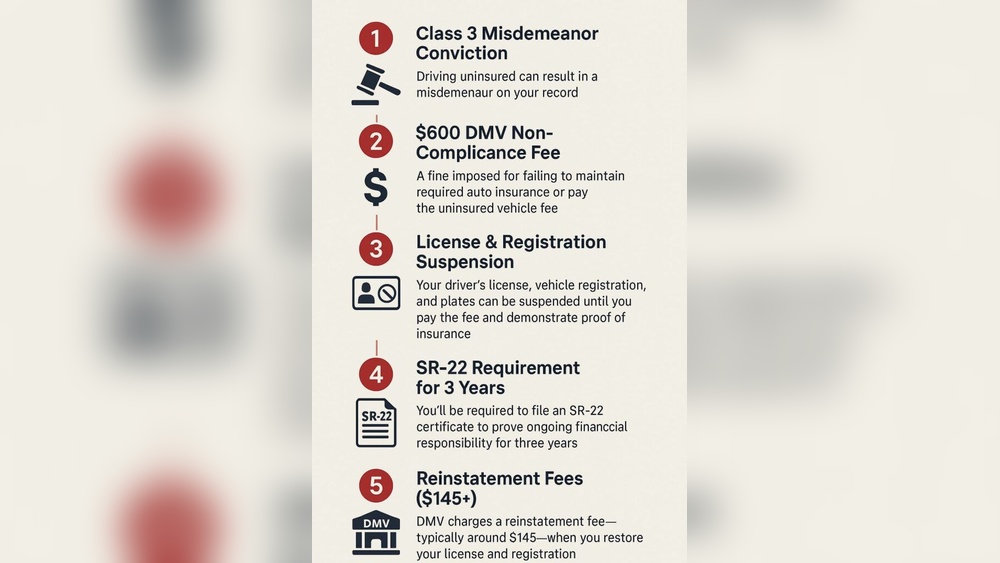
State laws can vary widely for convicted drivers. Some states require drivers to carry special insurance or file proof of financial responsibility. Others may impose higher minimum coverage limits. This can increase insurance costs significantly. Suspended or revoked licenses often mean drivers must get SR-22 or FR-44 forms to prove they have insurance. These forms add to the overall expense and are needed for a set time, usually 3 years.
Financial help may be available through discount programs or state assistance. Some insurers offer safe driver discounts after a clean record period. Others might lower rates for taking defensive driving courses. It pays to check with your insurer or state agency for options that reduce costs.
The long-term impact on insurance costs can be serious. Convictions can cause premiums to rise by 50% or more. These higher rates often last for several years, even after the conviction is removed from your record. Staying accident-free and maintaining a clean driving record helps lower premiums over time.
Frequently Asked Questions
What Is The Convicted Driver Policy?
The convicted driver policy provides car insurance for drivers with past offenses like DUIs or license points. It often involves higher premiums due to increased risk.
Can Insurance For Convicted Drivers?
Yes, convicted drivers can get car insurance, but expect higher premiums and limited options due to increased risk.
Can A Convicted Felon Get Car Insurance?
Yes, convicted felons can get car insurance, but rates may be higher. Coverage depends on the felony type and insurer policies.
Will Geico Drop Me After A Dui?
Geico may drop you after a DUI, especially for multiple offenses or high risk. Coverage could become expensive or limited.
Conclusion
Convicted driver insurance can be more costly but remains available. Many insurers offer coverage despite past driving offenses. Comparing quotes helps find the best price and terms. Maintaining a clean record lowers future insurance costs. Staying informed about your options protects you on the road.
Driving safely rebuilds trust with insurance companies over time.
Read More
- Dui Lawyer Free Consultation: Expert Help Without Cost Today
- Cheap Driver Insurance Online: Save Big with Top Deals Today
- Driver Insurance Quote Comparison: Find the Best Rates Fast
- Traffic Ticket Attorney Cost: What You Need to Know Now
- Reckless Driving Lawyer near Me: Expert Help to Win Your Case
- License Suspension Legal Help: Expert Tips to Regain Your Drive
- Young Driver Insurance Rates: How to Slash Your Premiums Fast
- High Risk Driver Insurance Quotes: Save Big with Expert Tips
- Auto Refinance Quote Calculator: Save Big with Easy Savings Today
- Bad Credit Vehicle Finance: Easy Approval Tips for Quick Buying